If you are choosing between Santa Barbara’s Riviera and Mesa, you are really choosing between two different versions of coastal living. One leans into elevated views, historic character, and a classic hillside setting. The other puts you closer to bluff walks, beach access, and a more mixed day-to-day rhythm. This guide will help you compare the Riviera and Mesa with a clear, practical lens so you can decide which area better fits the way you want to live. Let’s dive in.
Riviera vs. Mesa at a Glance
Both neighborhoods sit in highly desirable coastal-hills settings, but they offer different priorities.
The Riviera is Santa Barbara’s classic hillside neighborhood. City documentation describes it as a 634-acre area developed mainly between 1900 and 1940, with large parcels, mostly single-family homes, and broad views over downtown, the ocean, the Channel Islands, and the Santa Ynez Mountains. The Mesa, by contrast, is the city’s coastal bluff neighborhood, with East and West Mesa offering mostly single-family homes alongside commercial centers and some multifamily and condo pockets, especially near Cliff Drive and Meigs Road, according to the City of Santa Barbara neighborhood descriptions.
If you want the shortest version, the Riviera is generally the view-first option, while the Mesa is more clearly the beach-first option.
Why Buyers Choose the Riviera
For many buyers, the Riviera stands out because of its setting. City reports note that lots were oriented to preserve views, and the area still delivers sweeping panoramas toward downtown Santa Barbara, the Pacific, the Channel Islands, and the mountains, as outlined in this historic significance report.
The neighborhood also has a strong architectural identity. The Lower Riviera Special Design District Guidelines describe the Bungalow Haven area as a neighborhood of modest, mainly one-story bungalows in Craftsman and period-revival styles, with open porches and tree-lined streets. That design framework helps preserve compatibility when additions or new construction are proposed.
For a buyer who values a more distinct architectural story, the Riviera often feels more unified and historically defined than the Mesa.
Riviera lifestyle highlights
- Elevated views over the city, ocean, islands, and mountains
- A more historic residential setting
- Stronger architectural continuity in some sections
- Nearby green spaces such as Franceschi Park and Mission Historical Park
Why Buyers Choose the Mesa
The Mesa appeals to buyers who want easier access to the coastline and a more beach-oriented daily experience. Rather than being defined primarily by hillside panoramas, it is shaped by bluff-top recreation and direct access to the water.
According to Santa Barbara Parks and Recreation, Shoreline Park offers walking paths, Channel Islands views, and a stairway to the beach. The same city source notes that Mesa Lane Steps and Thousand Steps provide additional beach access points, reinforcing the Mesa’s identity as one of Santa Barbara’s most outdoor-connected coastal neighborhoods.
Housing on the Mesa is also more varied. Public neighborhood descriptions indicate that East Mesa is a small-lot single-family area with some multifamily sections near Oceano and Barranca, while West Mesa is mostly single-family with a commercial center at Cliff Drive and Meigs Road, plus some duplex, condo, and multifamily development nearby. In practical terms, this means the Mesa may offer a broader range of home types and entry points.
Mesa lifestyle highlights
- Bluff-top parks and walking paths
- Multiple beach access points
- More varied housing patterns
- Somewhat better walkability in certain sections, especially West Mesa
Views or Beach Access?
This may be the biggest decision point.
If your ideal morning starts with a broad hillside outlook and a sense of elevation above the city, the Riviera usually delivers that more directly. City documentation consistently frames the Riviera as a neighborhood oriented around preserving views and taking advantage of topography.
If your ideal day includes walking the bluff, heading down beach stairs, or spending more spontaneous time near the coast, the Mesa has the clearer advantage. The presence of Shoreline Park, Mesa Lane Steps, and Thousand Steps makes beach access a defining part of the neighborhood experience.
In other words, the Riviera tends to prioritize perspective, while the Mesa prioritizes proximity.
Architecture and Neighborhood Feel
The Riviera and Mesa also differ in how cohesive they feel visually.
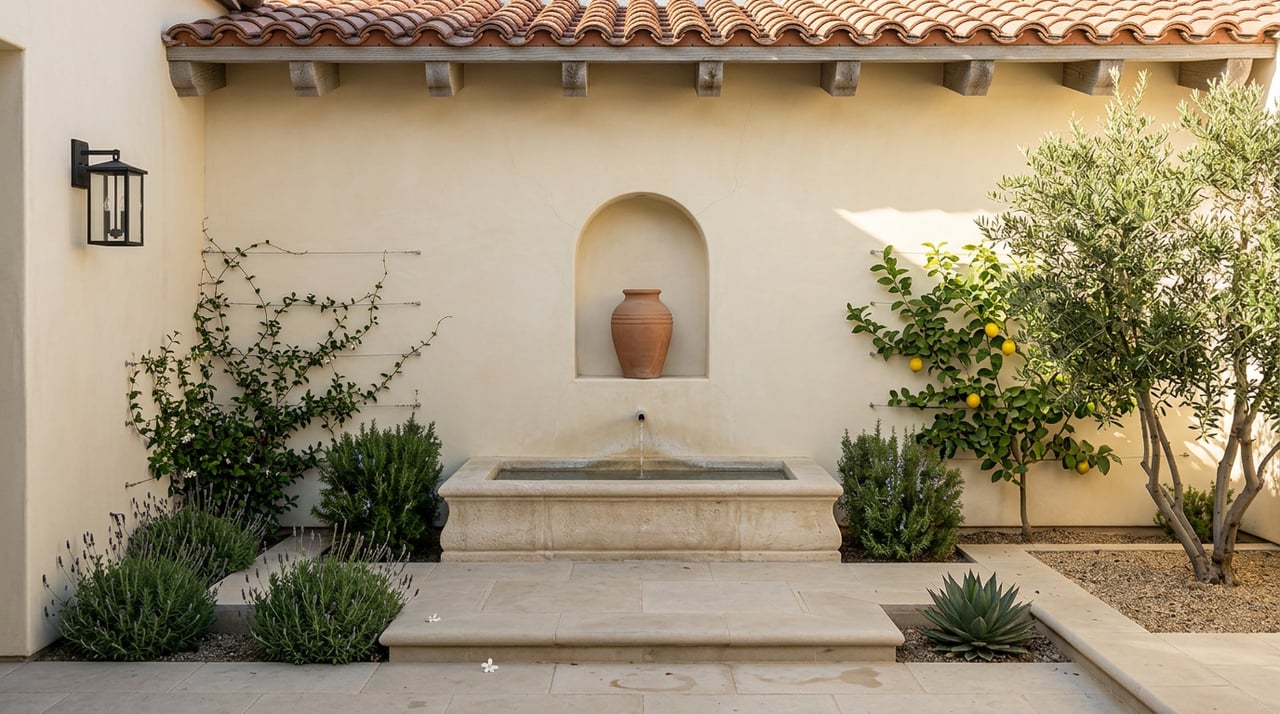
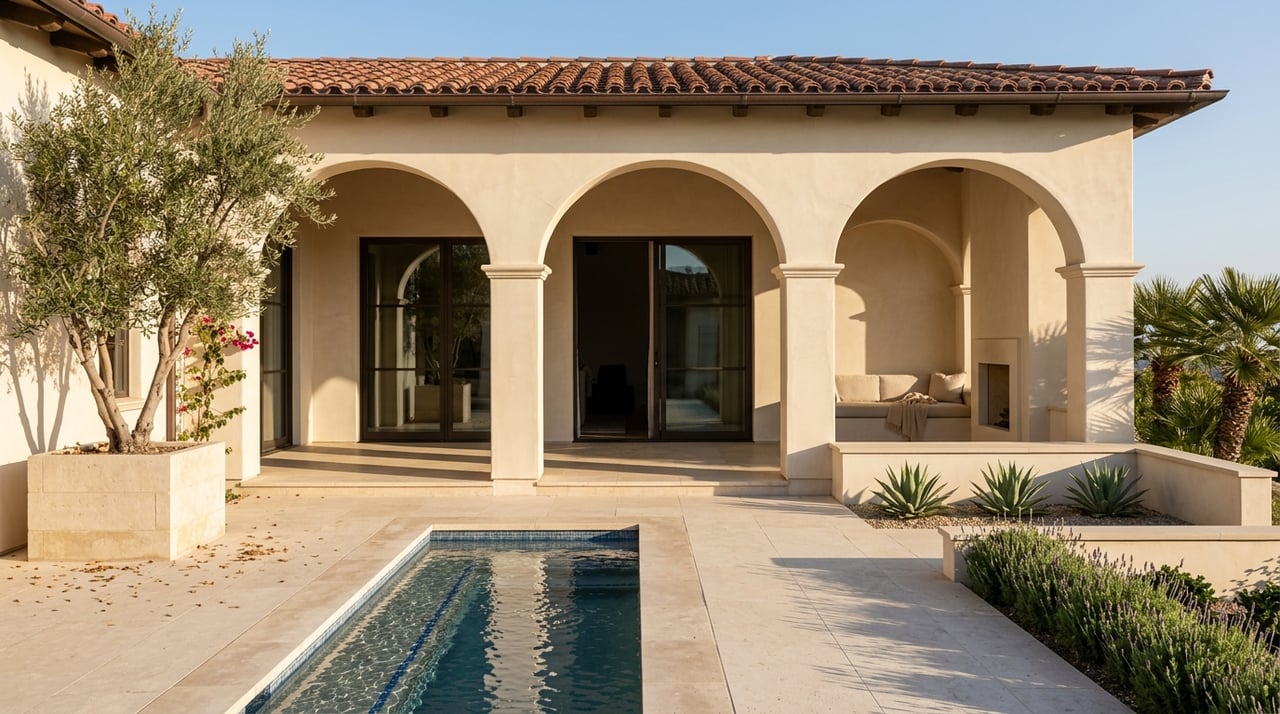
The Riviera has a stronger public record of historic identity. The neighborhood’s development pattern, larger parcels, and preservation framework create a more recognizable architectural narrative. If you are drawn to Spanish Colonial Revival influence, bungalow and Craftsman character, and a setting shaped by early 20th-century planning, the Riviera may feel especially compelling.
The Mesa reads as more mixed and more flexible. That can be a positive if you value variety rather than strict architectural consistency. Instead of one dominant historic district identity, the Mesa offers a broader blend of single-family homes, multifamily pockets, and neighborhood-serving commercial nodes.
Day-to-Day Convenience
Lifestyle is not only about views and architecture. It is also about how easily you can move through daily life.
Walkability differs notably between these two areas. Walk Score rates the Riviera at 15, which means almost all errands require a car. The same source rates West Mesa at 54, describing it as somewhat walkable. That does not make the Mesa an urban, car-free environment, but it does suggest more convenience in certain pockets.
School logistics also vary by location. On the Mesa, Monroe Elementary and Washington Elementary are identified as public-school assets within the neighborhood area. The Santa Barbara Unified School District notes that attendance is determined by street address, so boundaries should always be verified on a parcel-specific basis. On the Riviera, city reporting identifies Riviera Ridge School and Santa Barbara Middle School as private schools located within the neighborhood.
The practical takeaway is simple: if you are thinking carefully about daily errands, outdoor access, and certain in-neighborhood public school options, the Mesa may check more boxes. If your focus is more on setting, views, and historic residential character, the Riviera may feel like the better fit.
Price Differences to Know
Price remains one of the clearest distinctions between these two neighborhoods.
According to Realtor.com March 2026 neighborhood data, the median home price was $3.785 million in the Riviera compared with $2.395 million in the Mesa. On that measure, the Mesa was about $1.39 million lower, or roughly 36.7% less.
A second data point points in the same direction. The research report notes that Redfin’s February 2026 sold-price snapshots showed a $2.9 million median in the Riviera versus $2.495 million in the Mesa. While individual homes can vary widely based on view, lot, condition, and location, the broader signal is consistent: the Riviera generally commands a premium.
Which Neighborhood Fits Your Priorities?
If you are deciding between the two, it helps to rank your priorities rather than search for a universal winner.
Choose the Riviera if you value:
- Panoramic hillside views
- Historic character and architectural identity
- Larger-parcel single-family settings
- A more iconic, elevated Santa Barbara feel
Choose the Mesa if you value:
- Easier access to the beach
- Bluff-top recreation and coastal walking paths
- More varied housing patterns
- Somewhat better walkability in places like West Mesa
- A lower price point relative to the Riviera
Riviera vs. Mesa Comparison Table
| Factor | Riviera | Mesa |
|---|---|---|
| Core identity | View-first hillside neighborhood | Beach-first coastal bluff neighborhood |
| Setting | Elevated above downtown | Closer to bluff walks and beach access |
| Views | Broad panoramas of city, ocean, islands, mountains | Channel Islands and coastal views in park and bluff areas |
| Housing character | More historic and architecturally distinct | More mixed housing pattern |
| Walkability | Lower, with most errands requiring a car | Better in some sections, especially West Mesa |
| Price trend | Higher median pricing | Lower median pricing relative to Riviera |
A Clearer Way to Decide
The Riviera and Mesa both offer exceptional Santa Barbara living, but they speak to different lifestyles. The Riviera is better suited to buyers who want iconic views, architectural heritage, and a more elevated residential atmosphere. The Mesa is often the stronger match for buyers who want beach access, outdoor ease, and a somewhat more approachable price point.
If you are weighing both neighborhoods, a side-by-side tour can be the fastest way to clarify what matters most in real life. Paige Marshall can help you compare settings, property types, and market positioning across Santa Barbara’s coastal neighborhoods with the calm, local guidance that high-value decisions deserve.
FAQs
How is the Riviera different from the Mesa in Santa Barbara?
- The Riviera is generally defined by hillside views, historic character, and higher pricing, while the Mesa is known for beach access, bluff-top parks, and a more mixed housing pattern.
Is the Mesa more walkable than the Riviera in Santa Barbara?
- Yes. The research report cites Walk Score data showing the Riviera at 15 and West Mesa at 54, indicating that West Mesa is somewhat walkable while the Riviera is much more car-dependent.
Are home prices higher in the Riviera or the Mesa?
- The Riviera is higher based on the research report, which cites March 2026 Realtor.com data showing a median home price of $3.785 million in the Riviera versus $2.395 million in the Mesa.
Does the Mesa have better beach access than the Riviera?
- Yes. The Mesa has clearly identified access points such as Shoreline Park, Mesa Lane Steps, and Thousand Steps, making it the more beach-oriented choice.
What kind of homes are common in the Riviera compared with the Mesa?
- The Riviera is more closely associated with historic single-family homes and a stronger architectural identity, while the Mesa has a more varied mix of single-family homes, multifamily areas, and some condo development.