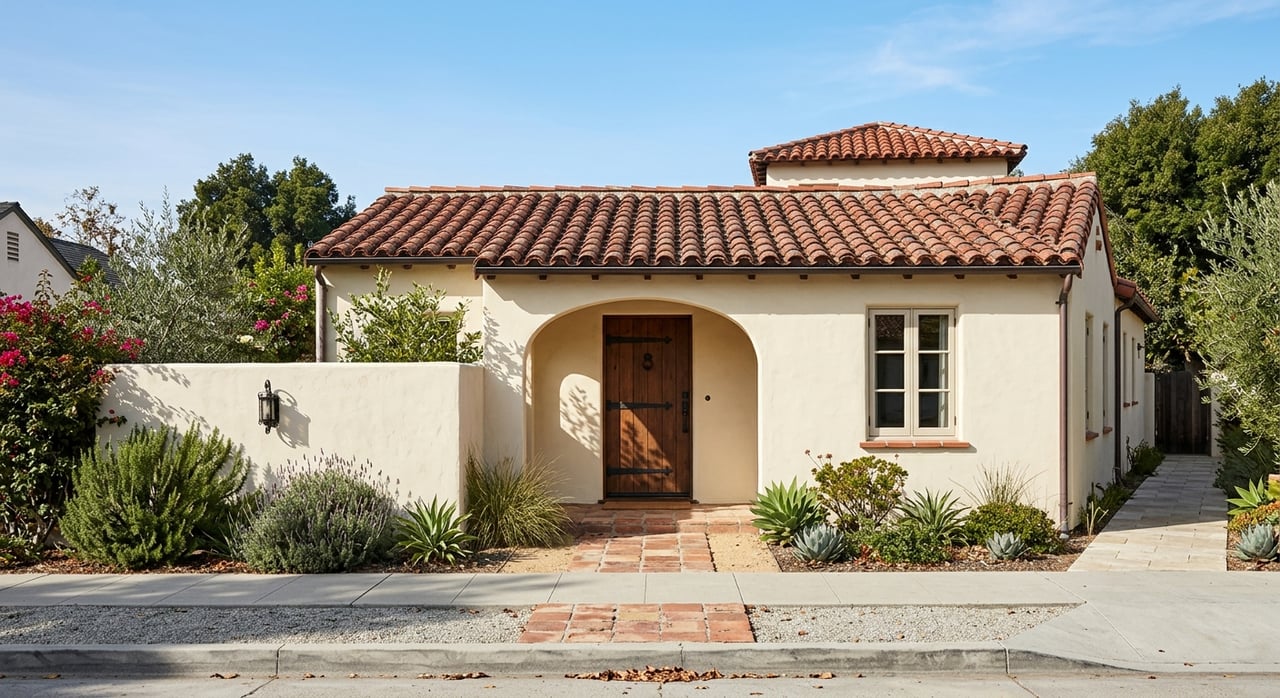
If you are looking at a downtown Santa Barbara cottage as an investment, the real question is not just "Will it rent?" It is whether the property fits your time horizon, income goals, and tolerance for regulatory limits in one of California’s most supply-constrained markets. For many buyers, these cottages offer a rare mix of charm, walkability, and long-term hold potential, but they are usually not simple yield plays. Let’s take a closer look.
Downtown cottages in context
Santa Barbara is a high-price, low-supply housing market, and that matters right away when you evaluate a downtown cottage. The U.S. Census Bureau reports a median value of owner-occupied housing units of $1,570,800 in the city, while Zillow’s city-level home value index places the average Santa Barbara home value at $1,834,095. Redfin also reports a March 2026 median sale price of $2.0 million, with homes taking about 43 days to sell.
That backdrop helps explain why downtown cottages often trade as scarcity assets. In a market with limited inventory and steady demand, buyers are often paying for location, character, and future hold value as much as current income.
For a rough downtown proxy, the City’s redistricting materials identify 93101 as Downtown plus Westside. In that ZIP code, Zillow reports an average home value of $1,458,315, about 31 homes for sale, and an average asking rent of $3,442 as of March 31, 2026. Because 93101 covers more than the immediate downtown core, those figures are best used as broad context rather than cottage-specific comps.
Why buyers stay interested
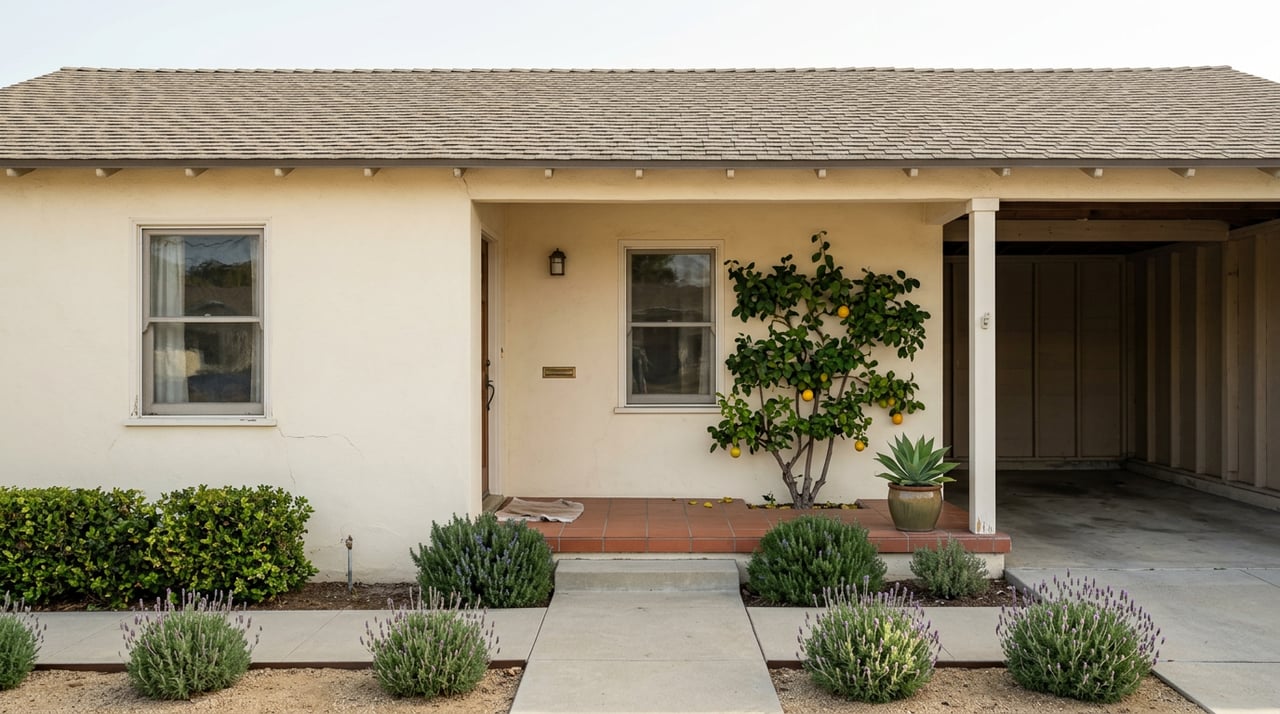
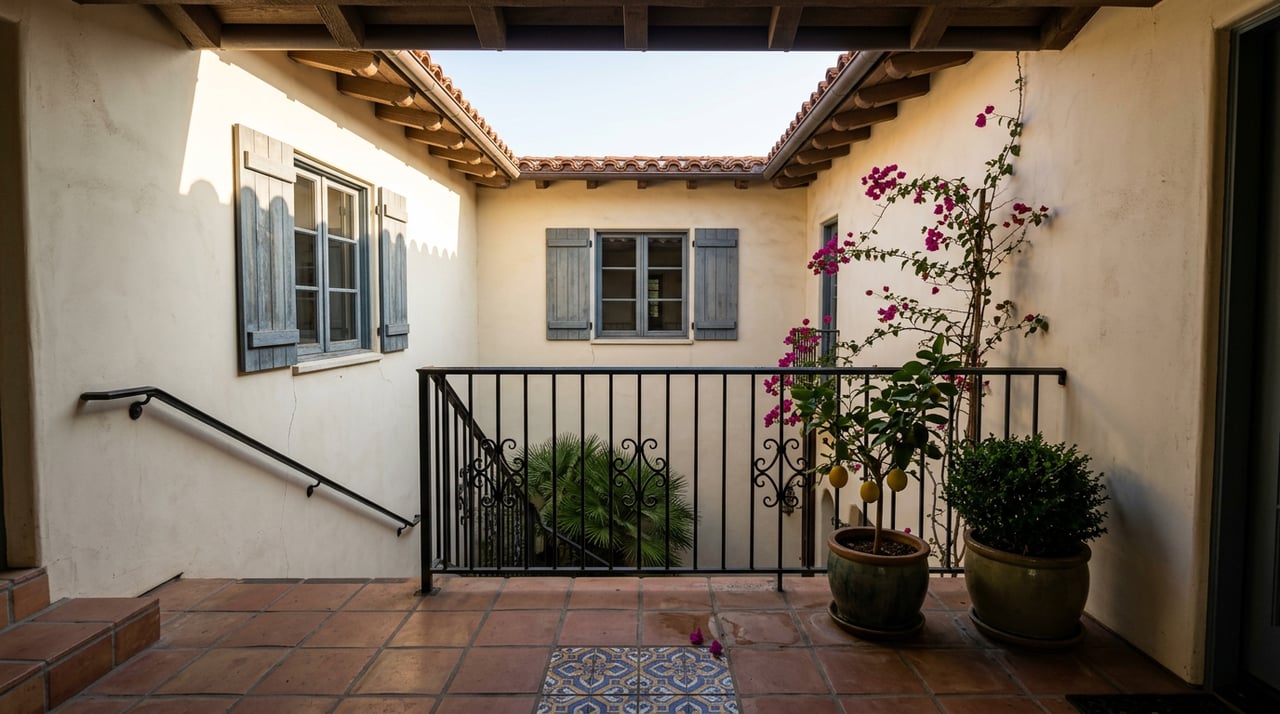
Downtown Santa Barbara cottages appeal to buyers for reasons that go beyond spreadsheets. Many offer a smaller footprint, established architectural character, and access to shops, restaurants, and daily conveniences in the city center. For buyers who value walkability and a lower-turnover location, that combination can be hard to replace.
Long-term market performance also supports the hold case. According to the FHFA House Price Index, the Santa Maria-Santa Barbara metro posted 53.08% appreciation over five years and 338.87% appreciation since 1991 through 2025 Q4. Past performance never guarantees future results, but it does show the area’s long-run strength.
Downtown planning efforts may also support long-term desirability. The City’s State Street Master Plan is a 20 to 30 year vision for downtown revitalization, and the proposed Paseo Nuevo redevelopment would add 233 market-rate units and 80 affordable units if completed. The City has also adopted an adaptive reuse ordinance to support converting qualifying nonresidential buildings into housing, which may gradually add more residential activity downtown.
Cash flow is usually the weak point
If your primary goal is strong immediate income, a downtown Santa Barbara cottage may not be the ideal fit. Purchase prices are high, and that tends to compress returns when compared with achievable long-term rents.
Santa Barbara does have meaningful rental demand. Census QuickFacts shows a median household income of $106,182, a bachelor’s-or-higher educational attainment rate of 51.9%, and a median gross rent of $2,413. The city is also renter-heavy, with an owner-occupied rate of 39.9%, meaning renters make up the majority of households.
The broader rental market remains relatively tight. In its January 2025 housing market profile, HUD estimated a 3.9% rental vacancy rate and a 3.5% apartment vacancy rate for the Santa Maria-Santa Barbara market area. HUD also reported average apartment rent of $2,516 metro-wide and $3,192 in the UCSB market area.
Importantly for cottage investors, HUD noted that 39% of renter households live in single-family attached or detached homes, up from 38% in 2019. That suggests there is real demand for house-like living, not just conventional apartment inventory.
Even so, the numbers still point to a common conclusion: downtown cottages are often better suited to capital preservation, long-term appreciation, and lifestyle utility than to aggressive cash-on-cash returns.
Short-term rental assumptions need caution
One of the biggest mistakes investors make is assuming a downtown cottage can easily become a vacation rental. In Santa Barbara, that is a risky assumption.
The City states that short-term rentals are not permitted in most areas of Santa Barbara and defines them as rentals of 30 days or less. Code Compliance also states that short-term vacation rentals are unlawful unless they are permitted by the City and located in zoning districts that allow hotels or motels. As of April 2026, the City was still moving a new licensing framework for STRs and homeshares through the ordinance process.
That means you should underwrite downtown cottages primarily around long-term use scenarios, not short-term rental upside. If your investment thesis depends on nightly or weekly rental income, this niche may not align with your goals.
Historic status can change the math
Many downtown cottages sit in or near areas where historic rules matter. That can limit flexibility, but it can also create real long-term value.
The El Pueblo Viejo Landmark District is central to the downtown story. The City says the district protects the architectural character of Santa Barbara’s central core and State Street corridor, including adobes, 1920s storefronts, and small Victorian-era homes. Properties in the district fall under Historic Landmarks Commission jurisdiction for alterations or new construction.
For an investor, that can affect renovation timelines, design choices, and expansion potential. The City’s broader historic district rules also show how seriously Santa Barbara treats preservation, including review standards and protections for nearby historic resources.
The upside is that a qualifying historic property may come with meaningful incentives. The City says Mills Act contracts can reduce property taxes by about 40% to 60% on average over a 10-year term for qualifying historic structures. For the right buyer, that tax benefit can materially improve the ownership picture.
ADU potential is not automatic
Some buyers view a downtown cottage as a future value-add property, especially if they hope to add an ADU. That can be possible in some cases, but parcel-level due diligence is essential.
The City’s preapproved ADU program is designed to speed review and lower plan-check fees. However, the City also notes that some preapproved ADUs are not allowed on properties with historic resources, and not all are allowed in historic or landmark districts.
In practical terms, this means a downtown cottage may have less expansion flexibility than a non-historic property elsewhere. If your plan depends on adding square footage or creating a second income unit, you will want to verify zoning, historic status, design review exposure, and site constraints before you get too far.
When a downtown cottage is a smart investment
For the right buyer, the answer is often yes. A downtown Santa Barbara cottage can be a smart investment when you are buying with a long view and understand that value may come from scarcity, livability, and tax efficiency more than from high current yield.
This type of property tends to make the most sense if you are looking for:
- A long-duration hold in a supply-constrained market
- A character-rich asset in a walkable downtown setting
- Optional long-term rental income rather than maximum income production
- Potential historic incentives, such as Mills Act tax savings, if the property qualifies
- A premium property type that may continue to attract affluent owner-occupants and second-home buyers
When it may not be the right fit
A downtown cottage may be a weaker match if your strategy depends on fast repositioning, easy redevelopment, or strong near-term cash flow. High entry prices, preservation oversight, and short-term rental restrictions can all limit flexibility.
It may be less attractive if you need:
- Aggressive cap rates or cash-on-cash returns
- Short-term vacation rental income
- Straightforward expansion or redevelopment potential
- Minimal renovation review or permitting complexity
A measured conclusion
Downtown Santa Barbara cottages are usually smart investments for buyers who think like stewards, not just operators. They tend to work best as lifestyle-forward, long-term holds with optional rental income and the potential for durable appreciation in a market defined by limited supply and strong demand.
If you want a pure income property, there are easier places and cleaner asset classes to evaluate. But if you want a distinctive downtown asset with architectural character, long-term relevance, and a more defensive hold story, a well-chosen cottage can absolutely make sense.
If you are weighing a downtown cottage purchase and want a more tailored read on value, restrictions, and long-term fit, Paige Marshall can help you evaluate the opportunity with local perspective and a discreet, data-informed approach.
FAQs
Are downtown Santa Barbara cottages good rental properties?
- They can work as long-term rentals, but they are generally better suited to moderate income and long-term appreciation than to high-yield performance.
Are short-term rentals allowed in downtown Santa Barbara cottages?
- In most cases, no. The City states that short-term rentals of 30 days or less are not permitted in most areas unless they are specifically allowed and permitted in qualifying zoning districts.
Do historic rules affect downtown Santa Barbara cottage renovations?
- Yes. Properties in historic areas such as El Pueblo Viejo may require Historic Landmarks Commission review for alterations or new construction.
Can you add an ADU to a downtown Santa Barbara cottage?
- Sometimes, but not automatically. ADU eligibility depends on the specific parcel, and some preapproved ADUs are not allowed on properties with historic resources or in certain historic districts.
Why do downtown Santa Barbara cottages hold value?
- Their value is often supported by limited supply, central location, architectural character, and long-term demand from buyers seeking walkability and distinctive housing.
Do qualifying historic cottages in Santa Barbara offer tax benefits?
- Yes. The City says qualifying properties under the Mills Act may see property tax reductions averaging about 40% to 60% over the contract term.