Buying in Hope Ranch is not just about finding a beautiful estate. It is about understanding a private, rule-governed community with its own systems for access, design review, and day-to-day use. If you are considering a purchase here, you need more than a standard property tour. You need clarity on how ownership works, what the rules mean in practice, and how Hope Ranch compares with nearby luxury markets. Let’s dive in.
Hope Ranch ownership is different
Hope Ranch is a long-established residential enclave with 773 lots spread across 1,863 acres. Ownership here comes with membership in a community governed by the Hope Ranch Park Homes Association, which has played a central role since the early 1920s.
That matters because when you buy in Hope Ranch, you are buying both a home and a set of community rules. The association manages homeowner resources, handles building applications, and enforces rules tied to access and community use.
For many buyers, that structure is part of the appeal. It helps preserve the area’s privacy, rural character, and estate-oriented feel. Still, it also means due diligence should go well beyond the house itself.
Review HOA documents early
Before you write an offer, ask for the current CC&Rs, Rule Book, and Building Guidelines. These documents can affect how you use the property, what changes you can make, and how future plans may unfold.
This is especially important if you are thinking about a remodel, guest accommodations, horses, or rental flexibility. The details are not minor. They can shape whether a property truly fits your goals.
A practical pre-offer document review should include:
- CC&Rs
- Rule Book
- Building Guidelines
- Any available information on parcel-specific exceptions
- Notes on how HOA approval and county permitting may overlap
Exterior changes require more planning
In Hope Ranch, exterior construction is not informal. The association’s Building Guidelines state that design, landscaping, and other improvements are reviewed to help preserve rural character, privacy, safety, and view corridors.
Santa Barbara County still has jurisdiction over land-use permits where applicable. In other words, HOA approval does not replace county approval. Depending on the project, you may need both.
If you already know you want to expand, redesign, or rework the grounds, review the approval path before you commit. It is much better to understand that process early than to discover constraints after closing.
What to ask about remodel plans
If you are evaluating a property with future improvements in mind, consider these questions:
- What exterior work has already been approved, denied, or completed?
- How might view-corridor concerns affect additions or landscaping?
- What are the design expectations for the lot and surrounding setting?
- Which improvements will also require county permits?
Beach access comes with rules
Hope Ranch beach access is association-controlled rather than public. That is a meaningful distinction for buyers who see beach use as a major part of the lifestyle.
According to the current Rule Book, beach cards are limited to members, resident family members, and tenants. Annual pricing is listed at $100 for the first card, $145 for the second, and $245 for the third, with a maximum of three cards per lot.
Guest use is controlled as well. Guest vehicles are charged separately, and guests may use the beach park only when accompanied by the host member.
If beach access is one of the reasons you are drawn to Hope Ranch, verify the current rules and costs during escrow. You will want to understand exactly how access works for your household and how guest use is handled.
Trails, roads, and equestrian use matter
Hope Ranch is also known for its equestrian orientation, but trail use is not unlimited. The Rule Book states that guests may use the association’s bridle trails only by member invitation and accompaniment, and some trails are designated for horse use only.
The same rules reinforce that Hope Ranch is a pedestrian-and-equestrian community. Most roads have a 25 mph speed limit, and overnight parking is not allowed on association roads.
These details shape everyday ownership. If you value a quieter setting, the rules may support that goal. If you often host guests or expect more casual access to amenities, it is wise to understand the framework ahead of time.
If you plan to keep horses
For equestrian buyers, horse allowances should be confirmed carefully. The Rule Book sets a formula of 2.178 horses per acre, with a cap of five horses per lot, subject to special treatment for parcels under the Laguna Blanca Declaration.
You should also confirm trail access, trailer rules, and any parcel-specific exceptions before moving forward. Horse property due diligence in Hope Ranch is highly specific, and it should be handled that way.
Rental flexibility is limited
If rental options matter to your buying strategy, verify the rules before underwriting the property. The association materials referenced in the research indicate that buyers should confirm the no-short-term-rental rule, the Airbnb prohibition, and guest-house limitations.
For some buyers, that will be fully aligned with how they plan to use the home. For others, especially those looking for more flexible occupancy or income use, it may be a deciding factor.
This is one of the clearest examples of why Hope Ranch should be evaluated as a community with rules, not just a collection of luxury homes. Your long-term plans need to fit both the property and the governing framework.
Hope Ranch has a distinct architectural identity
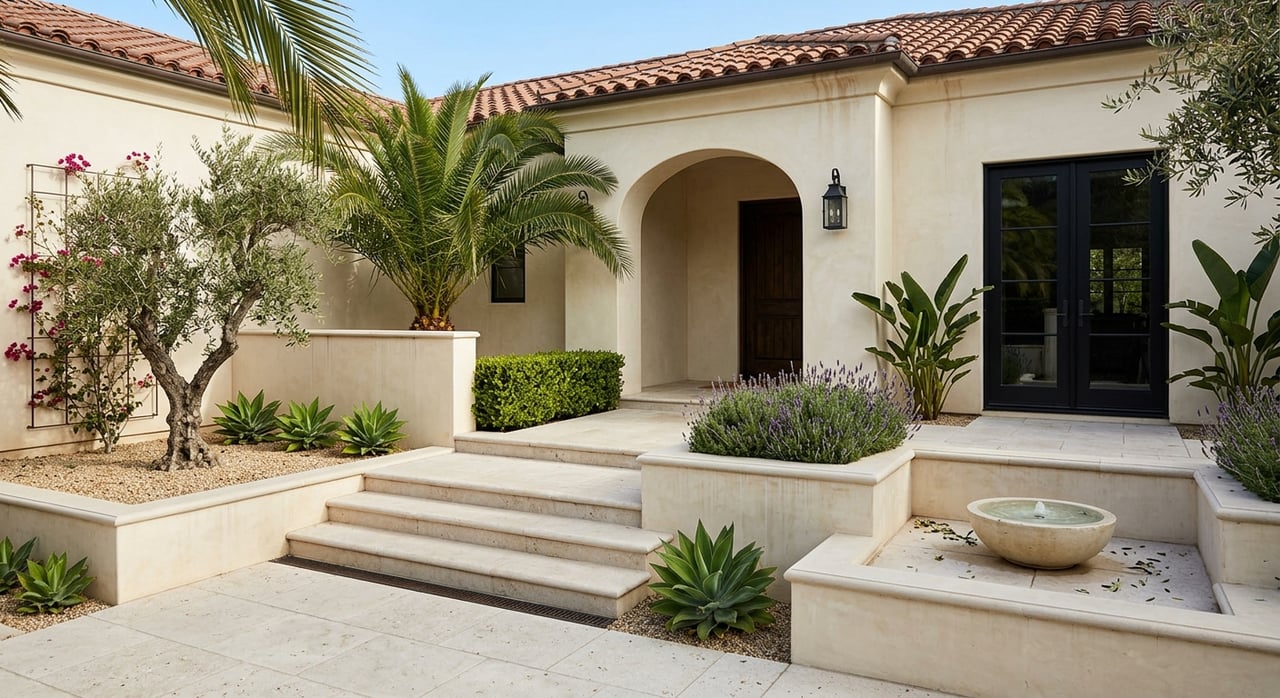
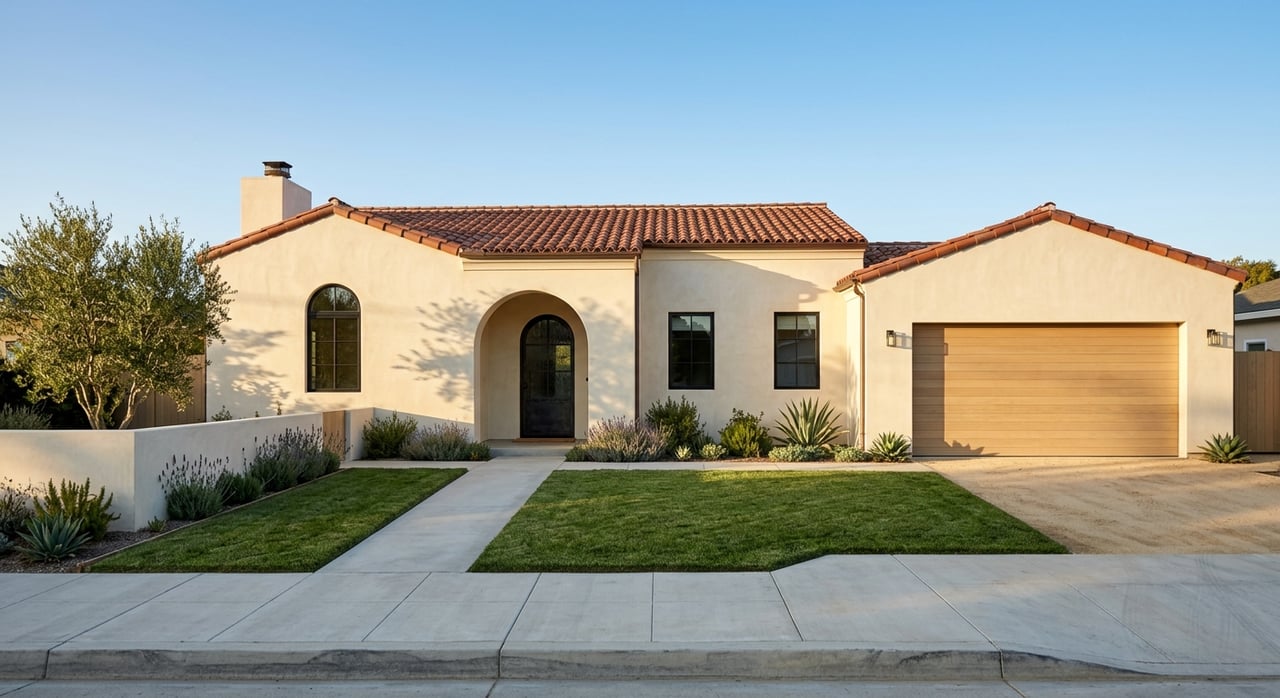
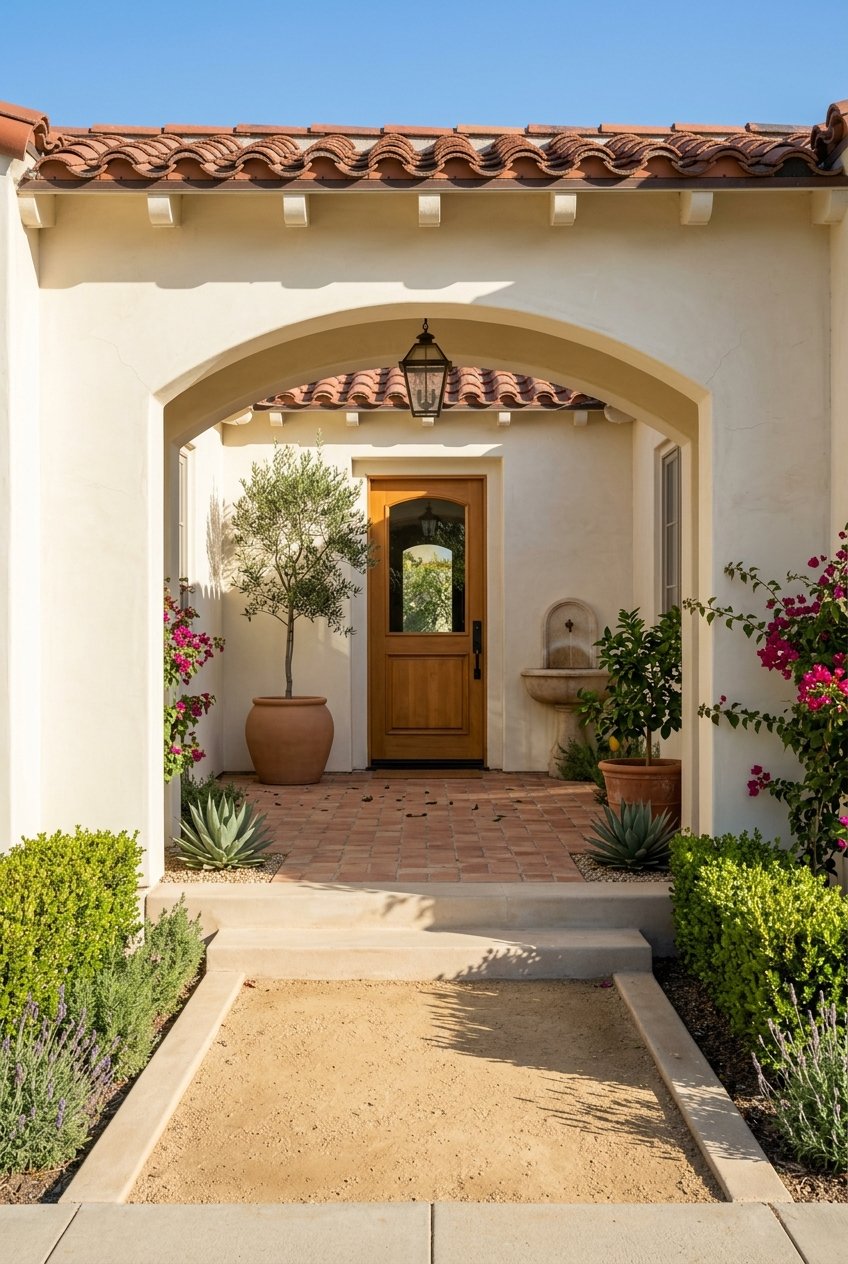
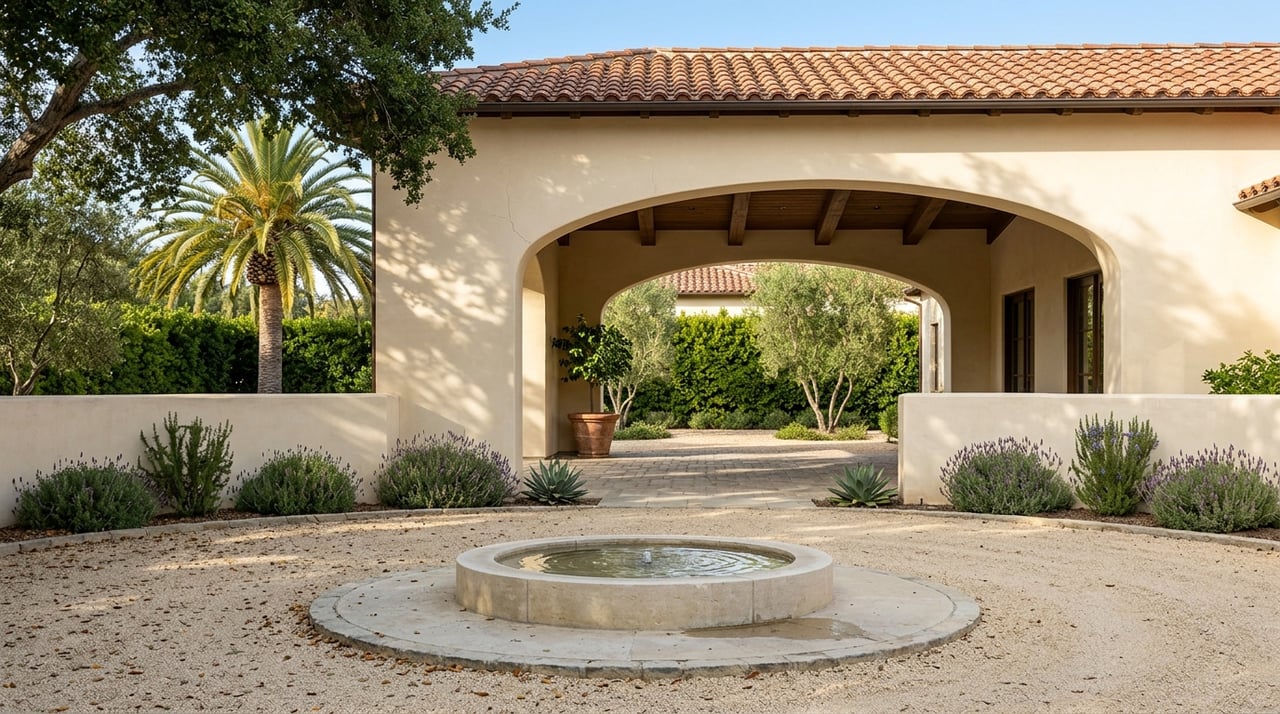
Hope Ranch has a recognizable visual character. Its Building Guidelines note that traditional Ranch and Spanish styles still dominate, though other styles have gained acceptance over time.
The broader design expectation is that new work should fit the site, respect neighboring properties, and maintain the area’s long-standing residential character. That creates a more cohesive feel than many other luxury markets.
For buyers, this can be a positive if you value continuity and a sense of place. It also means that highly personal design ambitions may need to be balanced against site fit, community review, and view considerations.
Pricing sits in a rare tier
As of April 2026, Hope Ranch showed a median listing price of $8.45 million, a median sold price of $5.79 million, median pricing of $1,480 per square foot, 26 active listings, and 73 median days on market.
That places Hope Ranch above Montecito on median listing price, where the median listing price was $6.995 million. It also places Hope Ranch far above the broader Santa Barbara market, where the citywide median listing price was $2.50 million.
At the same time, Montecito showed a higher price per square foot at $2,205, compared with Hope Ranch at $1,480. The numbers suggest that Hope Ranch value is shaped not just by interiors, but also by land, privacy, and the estate-style layout of the community.
Use comps, not just asking prices
Luxury buyers know list price is only one data point. In Hope Ranch, that is especially true because negotiated outcomes, days on market, and per-square-foot pricing can differ meaningfully from both Montecito and Santa Barbara city overall.
That is why recent comparable sales matter more than headline asking prices alone. A property may appear to align with one market on paper while actually trading according to a different set of value drivers.
When you evaluate a Hope Ranch purchase, focus on:
- Recent closed sales, not just current listings
- Lot size and usable acreage
- Access to community amenities and rules affecting use
- Condition and likely improvement costs
- How the property compares with Montecito and Santa Barbara alternatives
A smart Hope Ranch due-diligence checklist
Before you move ahead, make sure your review covers the details that most often affect ownership experience.
Here is a practical checklist to keep in mind:
- Confirm the current CC&Rs, Rule Book, and Building Guidelines
- Verify how county permits interact with HOA approval
- Review beach-card eligibility, annual costs, guest-vehicle fees, and guest-accompaniment rules
- Confirm trail access, horse-count limits, trailer rules, and any parcel-specific exceptions if equestrian use matters
- Verify rental restrictions, including short-term rental limitations and guest-house rules
- Review design expectations, landscaping standards, and view-corridor considerations if a remodel is likely
- Use recent comparable sales to judge value, not list price alone
Why local guidance matters in Hope Ranch
In a market like Hope Ranch, the right home is only part of the equation. You also need a clear read on rules, process, value, and lifestyle fit.
That is where local, high-touch representation can make a real difference. A thoughtful buying strategy helps you see not only what a property is today, but how it will function for you over time.
If you are considering a purchase in Hope Ranch, The Morehart Group offers discreet, senior-led guidance grounded in deep Santa Barbara County market knowledge.
FAQs
What should you review before buying a home in Hope Ranch?
- You should review the current CC&Rs, Rule Book, and Building Guidelines, along with any information about county permits, rental limitations, and parcel-specific exceptions.
How does beach access work in Hope Ranch?
- Hope Ranch beach access is association-controlled, with beach cards limited to members, resident family members, and tenants, plus separate rules for guest access and guest vehicles.
Can you remodel a property in Hope Ranch?
- Yes, but exterior work typically goes through association review, and some projects may also require Santa Barbara County permits.
What should equestrian buyers know about Hope Ranch properties?
- Equestrian buyers should confirm trail rules, guest access, horse-count limits, trailer rules, and any lot-specific exceptions before purchasing.
How does Hope Ranch compare with Montecito on pricing?
- As of April 2026, Hope Ranch had a higher median listing price than Montecito, while Montecito showed a higher median price per square foot.