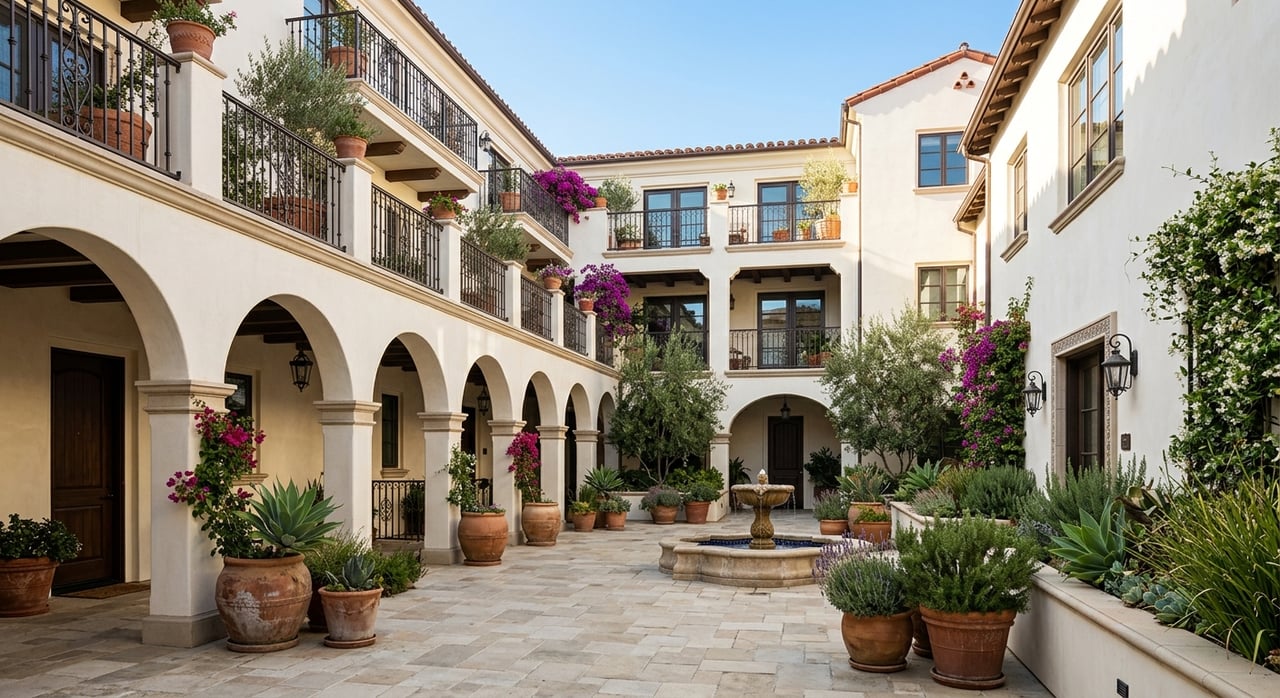
If you are considering a luxury condo in downtown Santa Barbara, you are likely balancing two goals at once: elevated living and everyday ease. The appeal is clear, from walkable streets and coastal access to lower-maintenance ownership, but downtown condo buying also comes with details that deserve a closer look. When you understand the local building types, ownership costs, parking realities, and rental rules, you can buy with far more confidence. Let’s dive in.
Why downtown Santa Barbara feels different
Downtown Santa Barbara is not a typical condo market built around large suburban-style communities. The area is shaped by the city grid, the State Street corridor, and continued infill, mixed-use redevelopment, and adaptive reuse in the urban core.
For you as a buyer, that usually means more variety from one building to the next. You may see mid-rise or high-rise condos, townhome-style residences, and conversion projects, each with a different ownership structure, design feel, and level of predictability.
The downtown environment also tends to feel more connected and pedestrian-oriented. Santa Barbara’s design standards emphasize courtyards, paseos, balconies, and circulation on foot, so many downtown residences are integrated into the surrounding streetscape rather than set apart from it.
What luxury condo living can look like
In downtown Santa Barbara, luxury is often less about sheer scale and more about placement, design, and convenience. A well-positioned condo can offer refined finishes, lock-and-leave simplicity, and close access to dining, shopping, the waterfront, and cultural destinations.
That said, the product is not one-size-fits-all. Some buildings are part of mixed-use projects, while others are located in areas where design review or historic review can shape what the building looks like and how future exterior changes are handled.
If you are comparing options, it helps to think beyond the unit itself. The quality of the common areas, the flow from the building to the street, and the privacy created by balconies, windows, and entry design all matter in day-to-day living.
Start with the true monthly cost
One of the biggest mistakes luxury condo buyers make is focusing too heavily on price and not enough on total ownership cost. In downtown Santa Barbara, HOA dues are a major part of that equation and are usually paid separately from your mortgage.
According to the research provided, condo dues can range from a few hundred dollars per month to more than $1,000 per month. Those dues commonly cover exterior and common-area repairs, water, sewer, trash, some amenities, insurance, and reserves.
That means a residence with higher dues is not automatically a worse value. The key is understanding what the dues cover, whether the reserves appear healthy, and whether the HOA has a history of special assessments.
Documents to review before you write an offer
Before moving forward, ask for:
- The HOA budget
- Reserve information
- Special assessment history
- Master insurance summary
- Current HOA rules and restrictions
These items can tell you a great deal about how the property is managed. They may also affect financing, since lenders often review the community’s financial stability, physical condition, pending litigation, structural concerns, and whether required inspections have been completed.
Parking can make or break the purchase
In a downtown location, parking is not a minor detail. It is one of the clearest factors that separates one luxury condo from another.
The City of Santa Barbara maintains ten parking lots and five parking structures with more than 3,000 stalls, and monthly permits are available in many garages. Even so, a private residence with deeded or assigned parking often delivers a different ownership experience than one that depends on public parking resources.
If the building does not include dedicated parking, verify exactly what your alternatives are before you commit. You will want to know whether garage parking can be rented, whether the block is part of a resident permit area, and whether guest parking is limited.
Important downtown parking questions
Ask these questions early:
- Is parking deeded, assigned, leased, or first-come, first-served?
- Is there guest parking in the building?
- Can you rent nearby garage parking if needed?
- Is the property within a resident permit parking area?
- Are there restrictions that affect oversized vehicles or long-term parking?
There is also an important nuance for newer projects. Under California’s AB-2097, public agencies generally cannot impose minimum parking requirements within one-half mile of defined transit, and Santa Barbara notes that new development in the mapped area will not qualify for the Residential Parking Program. For some buyers, that may be perfectly workable. For others, it is a reason to be much more selective.
Walkability is a major lifestyle benefit
One of downtown Santa Barbara’s strongest draws is how easily you can move through the area on foot. The city highlights the connection between Downtown and the Waterfront through the State Street undercrossing, which improves movement between State Street, the Waterfront, and the Funk Zone.
If your goal is a lock-and-leave second home or a lower-maintenance primary residence, that kind of connectivity can be a real advantage. You may be able to reduce how often you rely on your car while staying close to restaurants, retail, public spaces, and the waterfront corridor.
The seasonal downtown-waterfront shuttle is also scheduled to return on May 29, 2026, with service running Fridays through Sundays through September 7, 2026. While that may not shape every buying decision, it adds another layer of convenience for some owners and guests.
Noise deserves real due diligence
Urban convenience often comes with more activity, and luxury buyers should treat noise as a serious due diligence item. In downtown Santa Barbara, the answer is not simply whether a property is quiet or busy. It is how the specific unit interacts with the block, the building, and the surrounding uses.
Balcony orientation, window quality, HVAC placement, and proximity to restaurants or event spaces can all affect your experience. Santa Barbara’s design standards also emphasize privacy and livability when placing windows, balconies, and decks relative to neighboring buildings.
The city’s noise guide adds useful context. Most construction is allowed from 7:00 a.m. to 8:00 p.m. daily, with tighter hours for certain larger projects, and exterior mechanical equipment is limited to 53 dBA at the property line of adjacent residential, public, or semi-public parcels.
A smart way to evaluate livability
Before you buy, visit the immediate area at different times, including:
- Weekday mornings
- Evenings
- Weekend hours
- Times when nearby construction may be active
This simple step can reveal a great deal about traffic flow, late-night activity, delivery patterns, and parking pressure. For a premium purchase, those details matter.
Short-term rental assumptions can be risky
If you are also thinking about investment potential, do not assume a downtown condo can automatically be used as a short-term rental. Santa Barbara currently regulates short-term rentals as hotels, allows them only where hotels are allowed, and prohibits them in single-unit and two-unit residential zones.
The city is still working on a dedicated short-term rental ordinance. The Planning Commission reviewed draft amendments on March 5, 2026, and the Ordinance Committee later considered them on April 14, 2026.
For you as a buyer, the takeaway is straightforward: verify the exact zoning, the building’s CC&Rs, and any business tax or permitting requirements before you underwrite a property as a short-term rental opportunity. The city has made clear that enforcement is aimed at unpermitted units and related nuisance issues, including noise and parking impacts.
If a property is legally operated as transient lodging, the city currently assesses TOT at 12% of gross rents and TBID at 2% of room rental revenue, with monthly registration and remittance requirements. In many cases, the safer assumption is long-term rental potential rather than short-term rental income.
How downtown submarkets can differ
Not every downtown-adjacent location offers the same ownership experience. Even within a relatively compact area, the feel can shift meaningfully based on walkability, activity level, and parking patterns.
Downtown Core and State Street corridor
This area often appeals to buyers who want concentrated walkability, access to parking resources, and strong connection to the paseo network. If your priority is being in the middle of downtown activity, this is often where that experience is most direct.
Lower State Street and waterfront connection
This section can be especially appealing if you want easier movement between downtown and the waterfront. The connection through the State Street undercrossing supports a lifestyle that blends urban convenience with beach-oriented access.
Funk Zone
The Funk Zone is a mixed, visitor-serving district with strong links to downtown and the waterfront. It may appeal to buyers who value energy and proximity, but it also comes with a more complicated parking profile and greater sensitivity to turnover parking and nightlife activity.
West Beach and Harbor-adjacent areas
This area stands out for beach and boating access. West Beach sits between Stearns Wharf and the Harbor and offers direct shoreline access and a broad walk and bike path, but buyers should also expect event activity and paid parking to be part of the local rhythm.
A practical luxury condo checklist
As you narrow your search, keep your review focused on the details that most affect ownership quality.
- Confirm the building type and how the project is structured
- Review monthly HOA dues and what they include
- Study reserves, insurance, and any special assessment history
- Understand rental, pet, remodeling, and guest parking rules
- Verify whether parking is deeded, assigned, leased, or external
- Check whether the building may be subject to historic or design review for exterior changes
- Visit the block at different times to assess noise and activity
- If investment use matters, confirm current short-term rental rules before moving forward
A well-chosen condo can offer a compelling mix of comfort, convenience, and long-term value. The key is pairing the right residence with a clear understanding of how downtown Santa Barbara actually functions day to day.
If you are weighing a downtown condo purchase and want discreet, local guidance tailored to your goals, The Morehart Group offers senior-led representation grounded in Santa Barbara expertise and concierge-level service.
FAQs
What should you review before buying a luxury condo in downtown Santa Barbara?
- You should review HOA dues, reserve funding, special assessment history, master insurance, parking arrangements, rental rules, pet rules, and any remodeling restrictions before writing an offer.
Why is parking so important for downtown Santa Barbara condos?
- Parking can significantly affect convenience and long-term value because some buildings offer deeded or assigned spaces while others rely on leased spaces, city garages, or permit systems.
Can you use a downtown Santa Barbara condo as a short-term rental?
- You should not assume so, because the city currently regulates short-term rentals as hotels and the exact zoning, CC&Rs, and permitting requirements must be verified.
How can you evaluate noise when buying a downtown Santa Barbara condo?
- Visit the property during weekday mornings, evenings, weekends, and active construction hours so you can gauge street activity, nearby uses, and overall livability.
Which downtown Santa Barbara areas offer different condo lifestyles?
- Buyers often compare the Downtown Core and State Street corridor, Lower State Street, the Funk Zone, and West Beach or Harbor-adjacent areas because each offers a different mix of walkability, activity, parking, and waterfront access.