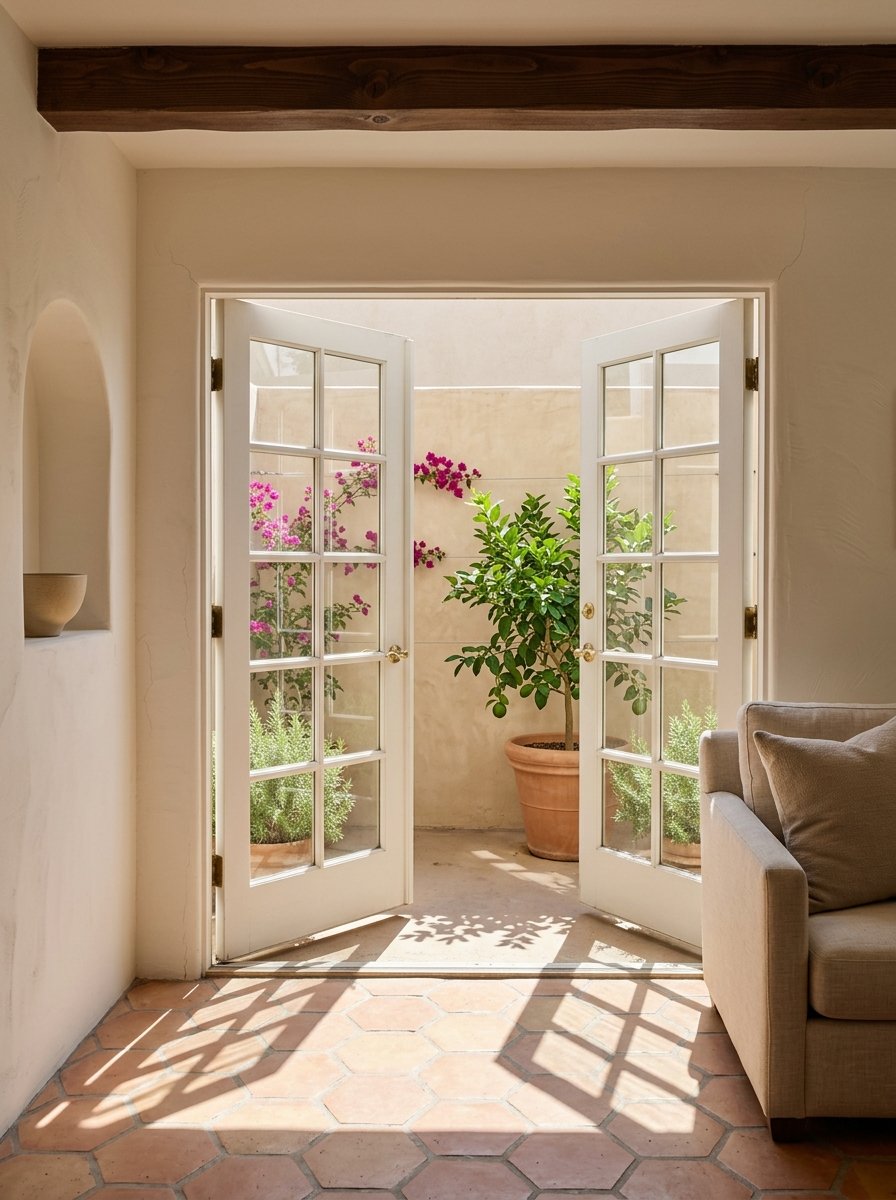
Looking for a home that feels unmistakably Santa Barbara? In downtown Santa Barbara, Spanish Revival living is more than a design preference. It is part of the city’s visual language, daily rhythm, and historic identity. If you are drawn to homes with texture, courtyard charm, and walkable access to the heart of town, this guide will help you understand what makes the lifestyle so distinctive. Let’s dive in.
Why Spanish Revival Feels Right Downtown
Spanish Colonial Revival and Mediterranean Revival architecture help define downtown Santa Barbara. According to the City of Santa Barbara, early preservation efforts kept original Spanish Colonial and Mexican-era adobe structures in place, and the business district’s thematic architecture is a major reason the area stands apart from other coastal California cities.
That identity is especially visible in the El Pueblo Viejo Landmark District. This district includes the State Street corridor and areas around the Presidio and Mission, along with the County Courthouse, 1920s storefronts, and older adobes. For you as a buyer or seller, that means the style is not a passing trend. It is central to how downtown Santa Barbara presents itself.
The 1925 earthquake also shaped the look of downtown in a lasting way. City history notes that post-earthquake reconstruction and organized architectural review helped create the more cohesive historic character you see today. Instead of a patchwork of unrelated styles, downtown reads as a composed architectural setting.
Key Spanish Revival Features
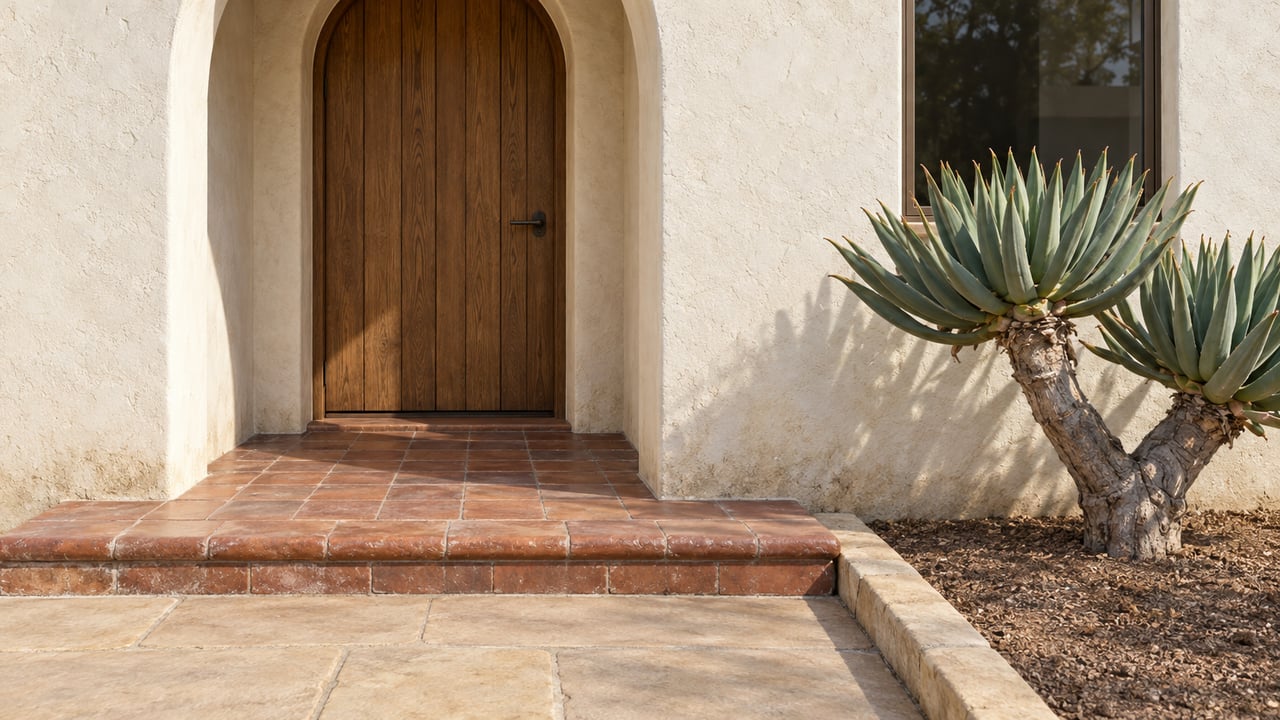
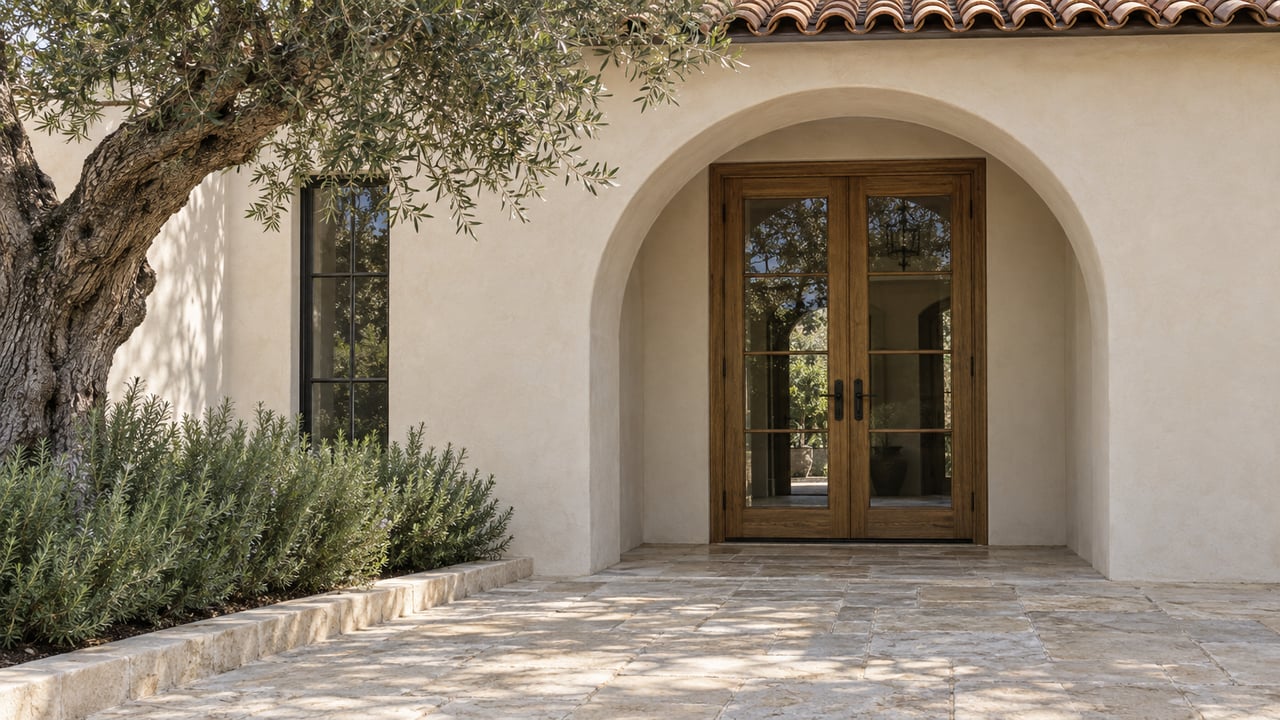
Spanish Revival homes tend to feel grounded, handcrafted, and visually calm. City code describes the Spanish Colonial Revival sub-style through simple massing, the impression of traditional masonry construction, prominent clay tile roof forms, and craftsmanship with raw materials.
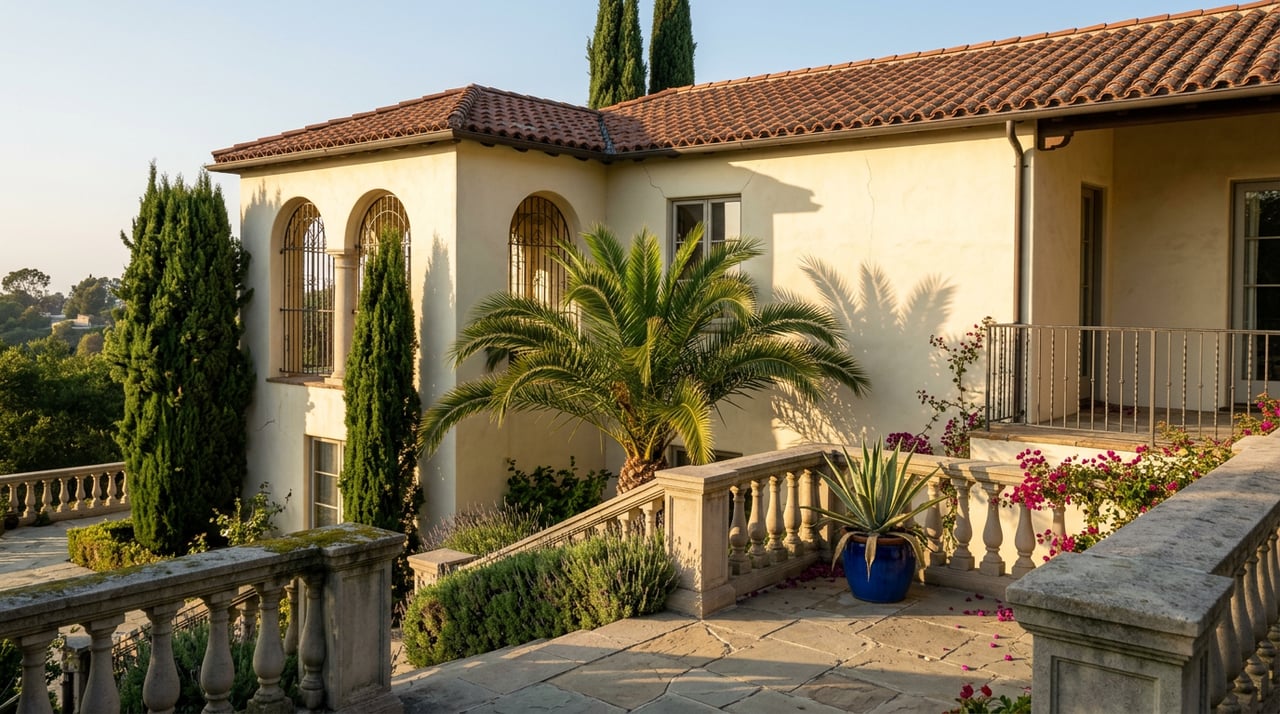
In practical terms, you will often notice a few defining details right away:
- Stucco exterior walls
- Red terra-cotta clay tile roofs
- Flat or low-pitched gabled and hipped rooflines
- Vertically proportioned punched openings
- Decorative tile accents
- Wrought iron details
- Ornamental chimneys, vents, and gutters
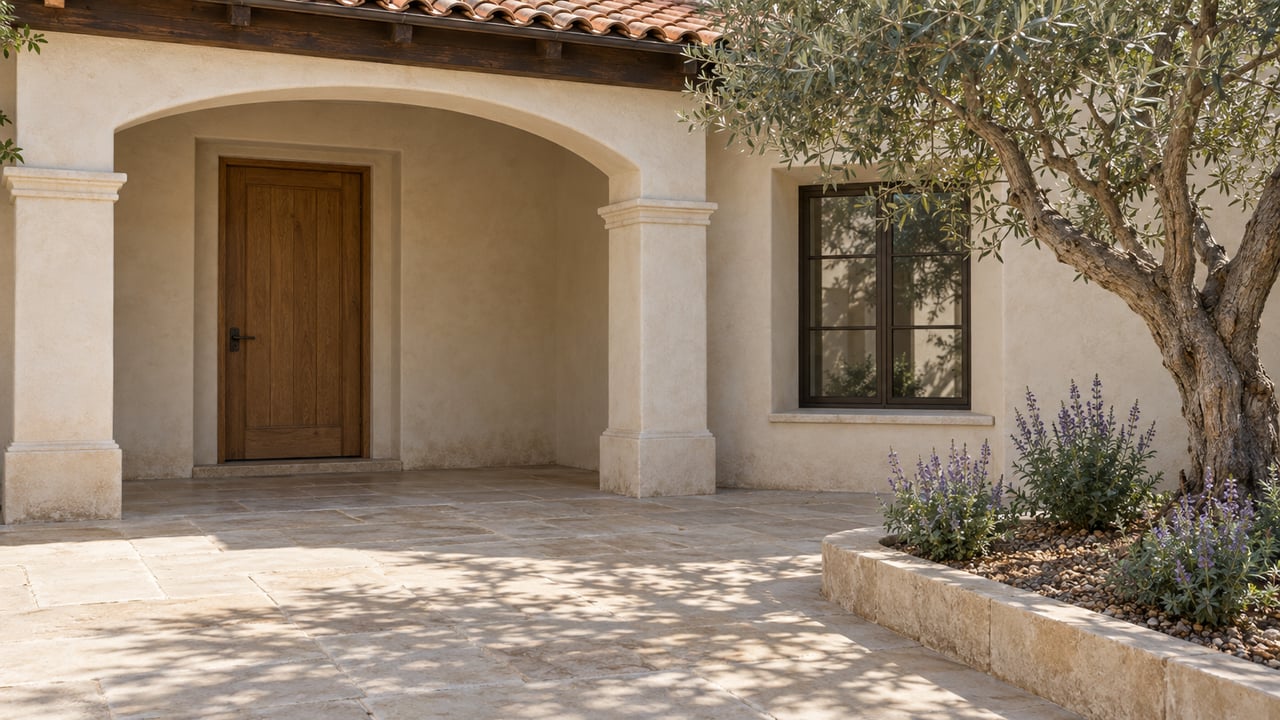
Regional style guidance also points to patios, courtyards, loggias, covered porches, and balconies as recurring features. These elements give many homes a layered feel, where indoor and outdoor spaces work together instead of competing for attention.
How These Homes Live Day to Day
Spanish Revival living in downtown Santa Barbara is closely tied to climate. NOAA climate normals for Santa Barbara show an annual mean temperature of 62.5°F, with average highs ranging from the mid-60s in winter to the upper 70s in summer. Annual precipitation is 18.98 inches, with most rain falling in cooler months and very little in summer.
That pattern helps explain why courtyards, terraces, shaded entries, and outdoor rooms feel so natural here. When you have mild temperatures through much of the year, spaces that open to fresh air and filtered sunlight become part of everyday life, not just occasional amenities.
Many Spanish Revival homes also create a different interior experience than newer glass-heavy designs. Stucco walls, smaller punched openings, and screened daylight features often support a sense of privacy and softer light. For buyers who want warmth and shelter rather than full exposure, that can be a major part of the appeal.
What Downtown Adds to the Lifestyle
A Spanish Revival home downtown gives you more than architecture. It also places you inside one of Santa Barbara’s most walkable urban settings. State Street Promenade is a 10-block pedestrian walkway between Sola and Gutierrez Streets, creating a car-free stretch where people can browse, shop, dine, and spend time outdoors.
Downtown Santa Barbara also highlights pedestrian-friendly walkways and connectivity between historic streets and the waterfront. Bike rentals, shuttles, trolley tours, and transit options support a more car-light lifestyle. If you value the ability to step out your front door and move through town with ease, downtown offers a strong lifestyle case.
The City of Santa Barbara’s outdoor dining programs add another layer to that experience. With promenade dining, sidewalk dining, private-property dining, and parklets, daily life in the district often extends into cafés, paseos, and street-level gathering spaces. That outdoor energy complements the courtyard-centered nature of Spanish Revival homes in a very local way.
Why Buyers Are Drawn to Downtown Spanish Revival
For many buyers, the attraction comes down to character, proportion, and setting. Downtown Spanish Revival homes often offer a blend of old-world detail and urban convenience that is hard to replicate. You are not just buying square footage. You are buying a relationship between home, street, climate, and city fabric.
These properties can especially appeal to buyers who want a high-end cottage, casita, or historically informed residence with walkable access to dining, retail, and cultural destinations. The visual consistency of downtown also matters. In a district where architecture is part of the civic identity, the surrounding environment can feel more curated and enduring.
If you are considering a purchase, it helps to look beyond finishes alone. Pay attention to courtyard use, natural light, privacy, street orientation, and how the property connects to nearby downtown amenities. In this part of Santa Barbara, lifestyle value often comes from how comfortably a home lets you live between private retreat and public setting.
What Sellers Should Know
If you own a Spanish Revival home downtown, its value story should be told with care. Buyers are often responding to details that go beyond headline features. Materials, rooflines, tile work, arches, outdoor rooms, and the home’s relationship to the street can all shape perception.
Presentation matters even more when the appeal is architectural rather than purely size-driven. A thoughtful marketing approach should highlight craftsmanship, texture, and the lived experience of the home, especially how it functions within downtown Santa Barbara’s walkable core.
For some sellers, pre-market preparation may also play an important role. When improvements are needed to sharpen presentation, a concierge-minded process can help position the property more effectively before it reaches the market. That kind of planning can be especially useful in design-sensitive segments where buyers notice details quickly.
Historic District Rules Matter
Not every downtown home is subject to the same level of review, but location within El Pueblo Viejo Landmark District I or II is important. The City of Santa Barbara states that exterior alterations or new construction in these districts fall under Historic Landmarks Commission jurisdiction.
The city also notes that even non-contributing properties in the district that are under 50 years old must use adobe, Spanish Colonial Revival, or Mediterranean tradition for exterior changes or new construction. For buyers, this can support architectural continuity. For sellers, it means the historic look is not only aesthetic but also regulated.
That review process is not necessarily a drawback. In many cases, it is part of what protects the visual consistency that makes downtown Santa Barbara so distinctive. Still, if you are planning changes to a property, it is wise to understand the review framework early.
A Distinctive Way to Live in Santa Barbara
Spanish Revival living in downtown Santa Barbara offers something increasingly rare: a home style that feels fully rooted in its setting. The combination of stucco walls, clay tile roofs, courtyards, filtered light, and walkable streets creates a daily experience that feels both historic and practical.
For buyers, that can mean finding a home with lasting character in the center of town. For sellers, it means presenting a property that participates in one of Santa Barbara’s most recognizable architectural stories. In either case, the value is often found in the details, and in how those details support life between house and city.
If you are considering a purchase or preparing to sell a Spanish Revival property in Santa Barbara, The Morehart Group offers discreet, senior-led guidance shaped by deep local knowledge and a refined approach to presentation.
FAQs
What defines a Spanish Revival home in downtown Santa Barbara?
- Spanish Revival homes in downtown Santa Barbara often feature stucco walls, red terra-cotta clay tile roofs, simple massing, vertically proportioned openings, decorative tile, and wrought iron details.
What is the El Pueblo Viejo Landmark District in Santa Barbara?
- El Pueblo Viejo is a historic district that includes much of downtown Santa Barbara, including parts of State Street and areas around the Presidio and Mission, where Spanish Colonial Revival character is central to the district identity.
What makes downtown Santa Barbara walkable for homeowners?
- Downtown includes the 10-block State Street Promenade, pedestrian-friendly streets, connections toward the waterfront, and access to transit, shuttles, bike rentals, and trolley service.
What should buyers know about historic review in downtown Santa Barbara?
- If a property is within El Pueblo Viejo Landmark District I or II, exterior alterations or new construction may be reviewed by the Historic Landmarks Commission.
Why does Spanish Revival architecture suit Santa Barbara’s climate?
- Santa Barbara’s mild temperatures and limited summer rainfall support everyday use of courtyards, terraces, shaded entries, and other outdoor living spaces common in Spanish Revival design.