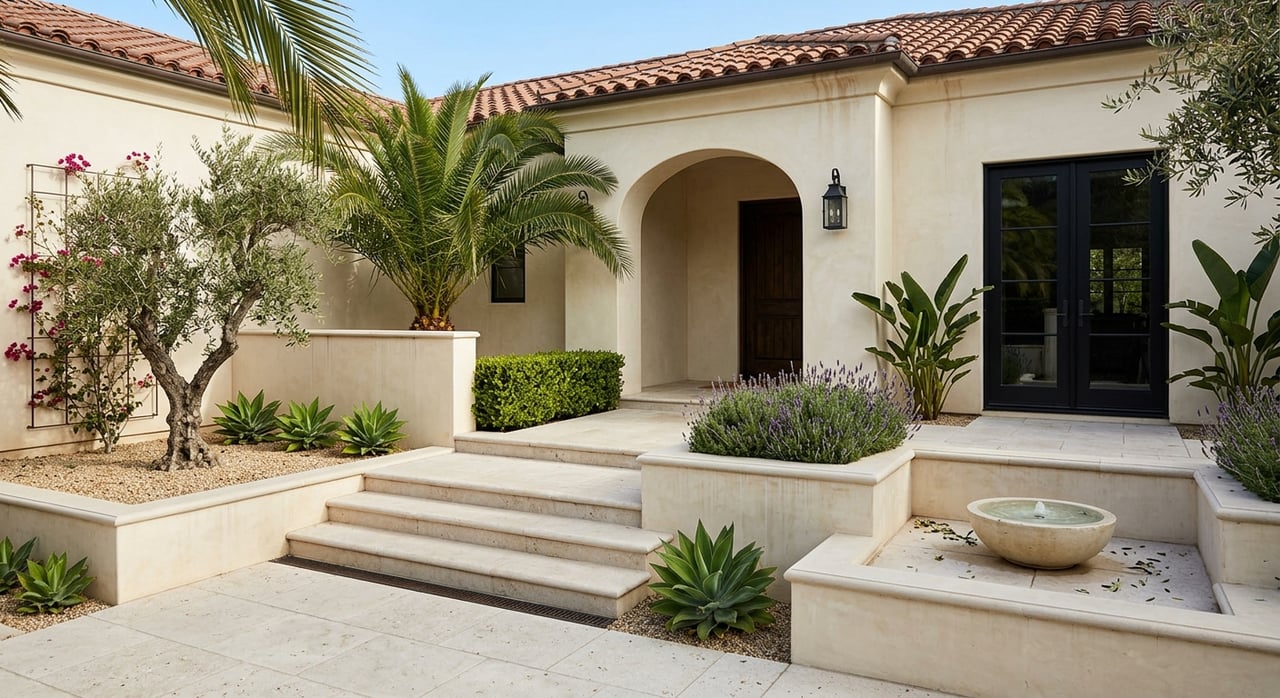
If you are comparing Upper and Lower Riviera, you are really deciding how you want Santa Barbara hillside living to feel day to day. Both areas share the Riviera’s elevated setting and view-oriented appeal, but the homes, lot patterns, and daily convenience can feel quite different once you look closely. This guide will help you understand how the housing stock differs, what trade-offs matter most, and which side may fit your goals more naturally. Let’s dive in.
Where the Riviera Split Starts
In local real estate use, Alameda Padre Serra is commonly treated as the dividing line between the Upper and Lower Riviera. Both sections sit on the hillside north of downtown Santa Barbara, and both are shaped by elevation, slopes, and view opportunities.
That said, the two areas developed with different patterns. The Lower Riviera tends to feel more compact and street-oriented, while the Upper Riviera leans more toward larger parcels, terraced settings, and a more estate-like layout.
Upper Riviera at a Glance
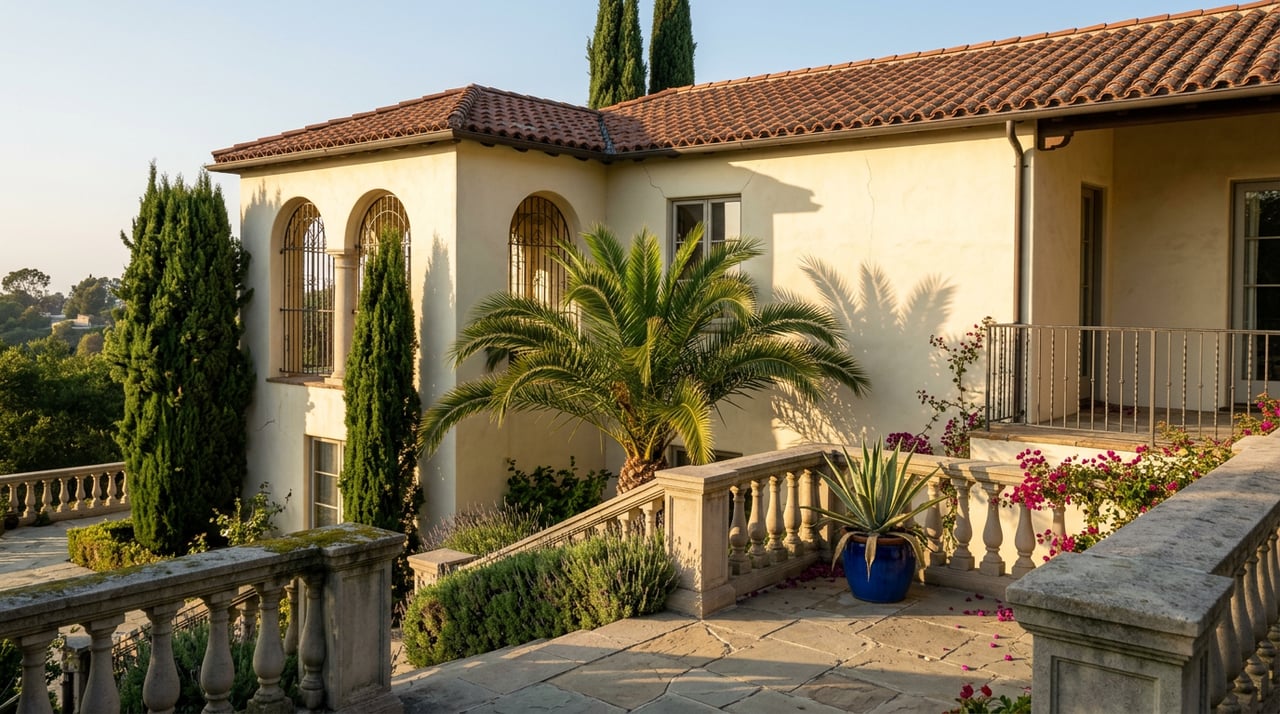
The Upper Riviera is generally where you see larger lots, broader outlooks, and a stronger sense of separation from the street. Homes here often emphasize privacy, light, and siting, with terraces, decks, and outdoor spaces designed to make the most of city, harbor, ocean, island, and sunset views.
The area’s early development also shaped its character. Historic materials describe planning choices that supported terraced sites, Spanish Colonial Revival influences, underground utilities, and lot orientations intended to preserve neighbors’ views.
Lot Size and Setting
One of the clearest differences is lot scale. Current Upper Riviera examples include parcels of roughly 0.49, 0.87, 1.0, and 1.36 acres, which helps explain the more spacious and estate-oriented feel.
With that extra land often comes more setback from the street, tucked-back drives, and a greater sense of privacy. If you want room to spread out and value a more elevated setting, this is often the side that draws your attention first.
Architecture and Home Style
The Upper Riviera is not defined by just one architectural look. Current examples include Spanish-style homes, Mid-Century Modern residences, Tudor Revival homes, California contemporary properties, and even more distinctive modernist designs.
The common thread is less about matching style and more about placement. Homes here are often designed or positioned to capture light, open sky, and panoramic views.
Access and Daily Rhythm
The Upper Riviera is typically more car-oriented. Santa Barbara’s pedestrian planning documents note sidewalk gaps in the less urban Riviera, including along Alameda Padre Serra, so daily errands and outings may feel more drive-based than walk-based.
That does not mean the area feels remote. Listings still point to convenient access to downtown, the Riviera Theatre, the Mission area, Rose Garden, and local hospitality destinations, but the experience is usually one of short drives rather than easy walks.
Upper Riviera Pricing
Pricing on the Upper Riviera generally sits at the higher and more variable end of the Riviera market. Current example listings show homes around $2.3 million, $2.675 million, $3.195 million, $4.295 million, and $5.579 million, with some land opportunities ranging from about $595,000 to $1.45 million.
For buyers, that means the Upper Riviera often offers a wider spread tied to lot size, privacy, and the strength of the view corridor. In simple terms, you are often paying for land, outlook, and a more estate-like environment.
Lower Riviera at a Glance
The Lower Riviera sits closer to downtown Santa Barbara and U.S. Route 101, and that location shapes both the homes and the lifestyle. It remains a hillside neighborhood, but the housing pattern is generally more compact, more varied, and more closely tied to nearby amenities.
For many buyers, the Lower Riviera feels like a middle ground. You still get hillside character and many view opportunities, but with easier access to downtown, transit, and neighborhood destinations.
Lot Size and Home Scale
Compared with the upper side, the Lower Riviera is smaller in scale. Reported neighborhood figures show a median lot size of 7,405 square feet, an average single-family home size of 1,881 square feet, and a median year built of 1946.
That often translates to shorter driveways, more modest yards, and more street parking. If you are coming from a denser in-town setting, that may feel familiar and manageable. If you are hoping for a larger estate footprint, it may feel more compact than expected.
Housing Character and Age
The Lower Riviera’s housing stock tends to be older and more modest in scale. You will find many Craftsman homes built between 1900 and 1930, along with Spanish Revival homes and some ranch-style properties from later periods.
City design guidance describes much of the traditional fabric as one-story bungalows with Craftsman and period-revival character, open front porches, and garden-oriented lots. That gives parts of the Lower Riviera a more established, close-in residential feel.
Remodeling and Design Guidelines
If you are considering a purchase with renovation plans, the Lower Riviera Special Design District guidelines are especially important. The city adopted these guidelines in 2004 to help ensure that new work remains compatible with the district’s established development pattern and historic architecture.
The guidelines address factors such as height, massing, scale, form, texture, lot coverage, setbacks, and spacing. For buyers, that means due diligence matters if you hope to expand, rebuild, or substantially alter a property.
Access and Convenience
Convenience is one of the Lower Riviera’s biggest draws. Sources describe it as closer to downtown than the rest of the Riviera, with Route 2 bus service on the southern edge and downtown less than 2 miles away.
Some areas also have wider sidewalks, and residents may be within walking distance of the Santa Barbara Bowl, Milpas Street restaurants, Orpet Park, and Mission and Rose Garden amenities. You still have hillside terrain and some sidewalk limitations, but the lifestyle often feels more connected to the city.
Lower Riviera Pricing
Lower Riviera pricing is generally below the more estate-oriented Upper Riviera examples. Current reported figures vary by platform, with sources showing a median list price around $2.5 million, a median sale price around $2.525 million, a median listing price around $1.895 million, and an average home value of about $2.11 million.
The exact number depends on the data source and time frame, but the broader pattern is consistent. Lower Riviera tends to offer a lower entry point than the broader Riviera market, while still reaching higher price points for larger Spanish Revival homes and stronger view properties.
Key Differences Between Upper and Lower Riviera
If you want the shortest version, the Upper Riviera is typically more land-driven and view-driven, while the Lower Riviera is more compact and convenience-driven. Both offer hillside living, but they serve different priorities.
Here is a simple side-by-side view:
| Feature | Upper Riviera | Lower Riviera |
|---|---|---|
| Typical feel | Estate-like, private, elevated | Closer-in, compact, varied |
| Lot pattern | Larger parcels | Smaller lots |
| Home styles | Mixed, often view-oriented | Craftsman, Spanish Revival, bungalow fabric, some later homes |
| Daily access | More car-oriented | Better access to downtown and transit |
| Views | Often broader and more panoramic | Often paired with convenience and proximity |
| Pricing pattern | Higher, wider range | Generally lower entry point |
Which Side Fits Your Lifestyle?
The best choice depends less on prestige and more on how you live. If your top priorities are privacy, larger lots, and stronger view corridors, the Upper Riviera may feel like the more natural fit.
If you care most about being closer to downtown, having somewhat better walkability and transit access, and entering the Riviera market at a lower price point, the Lower Riviera may make more sense. Neither is objectively better. They simply offer different versions of hillside living.
Consider Your Daily Routine
Think about how often you want to drive versus walk. Think about whether you want outdoor space and separation, or whether being closer to restaurants, cultural venues, and downtown matters more.
Also think about the home itself. Are you looking for a property with estate scale and maximum outlook, or do you prefer the character of an older bungalow or Craftsman in a more established, close-in setting?
Factor in Event Activity
If you are shopping near the Santa Barbara Bowl, event-night conditions deserve attention. Sources note that concerts mainly run in spring and summer and typically end at 10:00 p.m., which can affect traffic and noise on show nights.
For some buyers, that is a minor trade-off for a very convenient location. For others, it is an important quality-of-life detail that should be part of the decision.
A Practical Way to Compare Homes
When you tour Upper and Lower Riviera homes, it helps to compare them through the same lens. Focus on the things that will shape your experience after move-in, not just the photos or the headline price.
A useful checklist includes:
- Lot size and usable outdoor space
- View orientation and how protected that outlook feels
- Distance to downtown and everyday destinations
- Parking setup, driveway length, and street access
- Sidewalks and walking routes nearby
- Age and style of the home
- Potential remodeling constraints, especially in the Lower Riviera
- Event traffic considerations near the Bowl
Final Thoughts on Upper vs Lower Riviera
Upper and Lower Riviera both deliver the classic Santa Barbara hillside setting, but they do so in different ways. The Upper Riviera tends to offer more land, more privacy, and more dramatic view positioning, while the Lower Riviera often offers older architectural character, a more compact layout, and easier access to downtown amenities.
If you are weighing the two, the smartest next step is to compare homes in person with a clear understanding of your priorities. A private buyer consultation can help you narrow the trade-offs, evaluate location fit, and focus on the properties most aligned with your goals. Work with The Morehart Group to explore Riviera homes with experienced local guidance.
FAQs
What is the main difference between Upper and Lower Riviera homes?
- Upper Riviera homes are generally on larger lots with a more estate-like feel and stronger panoramic views, while Lower Riviera homes are typically more compact, older in character, and closer to downtown amenities.
Where is the dividing line between Upper and Lower Riviera?
- In local real estate use, Alameda Padre Serra is commonly treated as the dividing line between the two sections of the Riviera.
Are Upper Riviera homes usually more expensive than Lower Riviera homes?
- In general, yes. Current examples and reported neighborhood figures show Upper Riviera pricing tends to run higher, especially for larger lots, stronger privacy, and broader views.
What kinds of homes are common in Lower Riviera?
- Lower Riviera often includes Craftsman homes from the early 1900s through the 1930s, Spanish Revival homes, one-story bungalow-style residences, and some later-period homes.
What should buyers know about remodeling in Lower Riviera?
- Buyers should review the Lower Riviera Special Design District guidelines, which address height, massing, scale, form, texture, lot coverage, setbacks, and spacing for compatible new work.
Is Lower Riviera easier to access than Upper Riviera?
- Lower Riviera is generally closer to downtown, has Route 2 bus service along its southern edge, and offers somewhat better walkability in some areas, although hillside streets and sidewalk limitations still matter.